
San Antonio Weeding Services
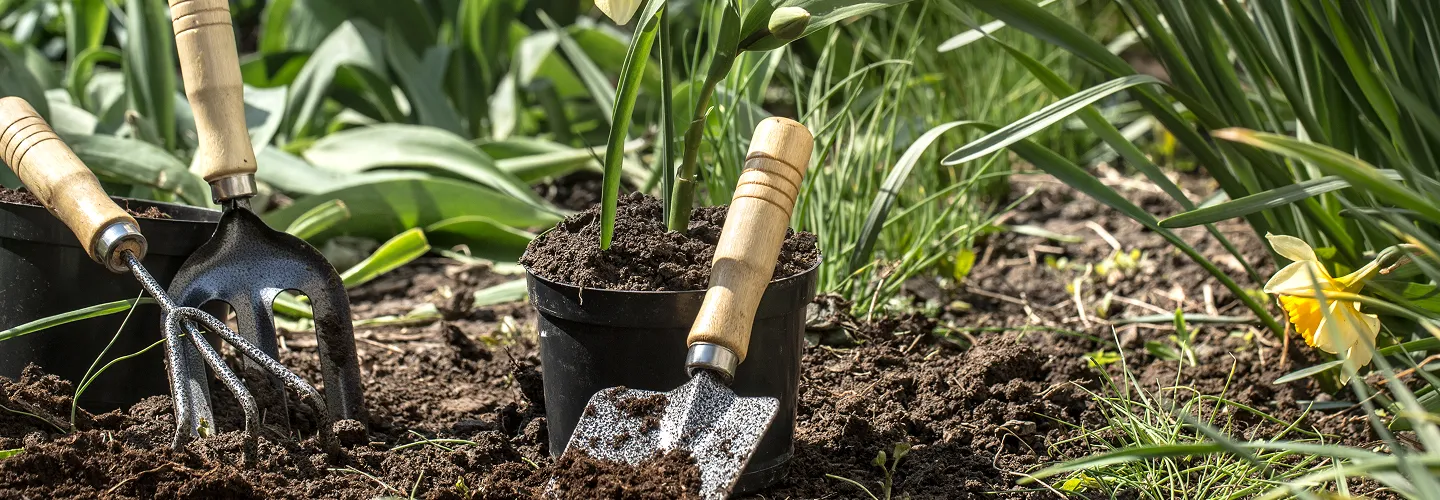
Choose our expert weeding services for a healthier, more beautiful landscape—our experienced team removes unwanted growth efficiently, ensuring your plants thrive and your yard stays immaculate all season long.
Get a Free QuoteOur San Antonio Landscaping & Yard Care Services
When to Schedule Weeding in San Antonio, Texas – Seasonal Guide
In San Antonio, timing your weeding services is crucial for maintaining a healthy and attractive landscape. The city’s unique climate—characterized by hot summers, mild winters, and variable rainfall—means that weed growth can be persistent throughout much of the year. Generally, the optimal periods for weeding are early spring (March to April) and late fall (October to November), when soil moisture is higher and temperatures are moderate. These windows allow for easier weed removal and help prevent regrowth before the intense summer heat or winter dormancy sets in.
Local environmental factors play a significant role in determining the best schedule for weeding. For example, neighborhoods near the San Antonio River Walk or in the shaded areas of Alamo Heights may experience different weed pressures compared to the drier, sun-exposed yards in Stone Oak. Soil types vary across the city, with some areas having clay-heavy soils that retain moisture, while others, like those near Mission San José, are more prone to drought. Additionally, understanding local frost dates and municipal guidelines—such as those found on the City of Sudbury’s website—can help homeowners and property managers plan their weeding routines more effectively.
Local Factors to Consider for Weeding in San Antonio
- Tree density and shade coverage (affects weed growth and removal difficulty)
- Terrain and soil type (clay, loam, or sandy soils impact weed persistence)
- Seasonal precipitation and drought risk
- Proximity to water features or flood-prone areas
- Municipal restrictions or neighborhood association guidelines
- Recent landscaping or construction activity
- Frequency of lawn maintenance and mowing
By considering these local factors, you can ensure your weeding schedule is tailored to the specific needs of your San Antonio property, promoting a healthier and more resilient landscape year-round.
Benefits of Weeding in San Antonio
Enhanced Curb Appeal
Healthier Plant Growth
Reduced Pest Infestation
Improved Soil Quality
Increased Property Value
Professional and Reliable Service

San Antonio Weeding Types

Hand Weeding
-
Mechanical Weeding
-
Mulching for Weed Control
-
Pre-Emergent Herbicide Application
-
Post-Emergent Herbicide Application
-
Flame Weeding
-
Organic Weed Management
Our Weeding Process
Site Evaluation
Weed Identification
Targeted Removal
Soil Treatment
Final Inspection
Why Choose San Antonio Landscape Services
San Antonio Homeowners Trust Us
-
Expert Lawn Maintenance
-
Reliable Irrigation Solutions
-
Competitive Pricing
-
Professional Team
-
Sustainable Landscaping Practices
-
Personalized Service
-
Satisfaction Guarantee
San Antonio’s Predominant Soil Series and Weeding Implications
San Antonio’s landscape is defined by Vertisols and Mollisols, including the Houston Black clay and Branyon clay loam, which are characterized by high clay content, alkaline pH (7.5–8.2), and poor drainage in low-lying areas. These soils present unique challenges for weeding, as compaction and seasonal water retention can promote aggressive weed growth, especially in spring and fall. Effective weed removal requires mechanical extraction to a depth of 3–4 inches to disrupt root systems in dense clay. Soil testing through USDA Web Soil Survey or Texas A&M AgriLife Extension is recommended to determine pH and organic matter content. Amendments such as compost (2–3 inches tilled to 6-inch depth) and gypsum can improve structure and reduce compaction.
City of San Antonio Environmental Management
114 W. Commerce St., San Antonio, TX 78205
Phone: (210) 207-1440
Official Website: City of San Antonio Environmental Management
Municipal Weeding Ordinances and Collection Protocols in San Antonio
Weeding activities in San Antonio are governed by municipal code, which mandates regular removal of noxious and invasive species to prevent property code violations. The city’s Department of Public Works oversees green waste collection, with weekly curbside pickup every Thursday from April through November. Accepted materials include weeds, grass clippings, and brush under 4 feet in length, placed in biodegradable bags or 32-gallon reusable bins. Prohibited items include plastic bags and branches over 4 inches in diameter. Equipment operation is permitted:
- Monday-Friday: 7:00 AM - 7:00 PM
- Saturday: 8:00 AM - 6:00 PM
- Sunday and holidays: Prohibited Violations may result in fines or corrective action orders.
City of San Antonio Public Works Department
114 W. Commerce St., San Antonio, TX 78205
Phone: (210) 207-8022
Official Website: City of San Antonio Public Works Department
Environmental Compliance: Stormwater, Buffer Zones, and State Regulations
Weeding services in San Antonio must comply with the city’s MS4 stormwater permit, which prohibits the disposal of plant debris or soil in storm drains under the Clean Water Act. Maintain a 25-foot no-disturbance buffer from wetlands and waterways, including the San Antonio River and tributaries. Application of herbicides or fertilizers is restricted within 50 feet of water bodies to prevent runoff. The Texas Commission on Environmental Quality (TCEQ) enforces state environmental laws, including the Texas Water Code. For best practices, consult EPA Region 6 and Texas A&M AgriLife Extension for integrated weed management guidance.
Texas Commission on Environmental Quality
12100 Park 35 Circle, Austin, TX 78753
Phone: (512) 239-1000
Official Website: Texas Commission on Environmental Quality
Seasonal Timing and Weather Considerations for Weeding in San Antonio
San Antonio’s USDA Hardiness Zone 8b–9a climate features hot summers and mild winters, with optimal weeding windows in early spring (March 1–April 30) and fall (September 15–November 15) when soil temperatures range from 55–75°F. Avoid mechanical or chemical weeding during peak summer (June–August) to reduce plant stress and prevent soil compaction. Monitor local weather forecasts through the National Weather Service San Antonio Office to avoid working after heavy rainfall, as saturated soils are prone to compaction and root disturbance. Recommended timing guidelines:
- Spring weeding: March–April
- Fall weeding: September–November
- Avoid: June–August (heat stress period)
Professional Standards and Safety Protocols for Weeding Operations
All weeding operations in San Antonio must adhere to municipal safety standards and equipment regulations. Operators are required to use:
- Eye protection: ANSI Z87.1 safety glasses
- Hearing protection: Earmuffs or plugs for 85+ dB noise
- Footwear: Steel-toed boots with non-slip soles
- Gloves: Cut-resistant for mechanical removal, chemical-resistant for herbicide application Maintain a 15-foot clearance from overhead utilities and public sidewalks. Commercial-grade equipment must be maintained with blade sharpening every 20–25 hours of use. Operators should review city noise ordinances and ensure compliance with permitted hours. For additional safety guidance, coordinate with the city’s code enforcement division.
City of San Antonio Code Enforcement
1901 S. Alamo St., San Antonio, TX 78204
Phone: (210) 207-8211
Official Website: City of San Antonio Code Enforcement
What Neighborhoods Do We Serve Throughout San Antonio, TX?
- Alamo Heights: Characterized by mature tree canopies and compacted clay soils, requiring deep mechanical weeding and careful debris management due to narrow streets and historic district regulations.
- Stone Oak: Features newer developments with expansive lots, moderate slopes, and caliche subsoils, necessitating soil amendments and attention to HOA landscaping standards.
- King William: Historic district with dense landscaping, frequent invasive species, and proximity to the San Antonio River, requiring strict adherence to buffer zone and preservation guidelines.
- Westover Hills: Suburban area with heavy clay soils and periodic drainage issues, making weed proliferation common after rainfall and necessitating regular maintenance.
- Tobin Hill: Urban neighborhood with mixed-use properties, limited green space, and high soil compaction, requiring specialized equipment for effective weed removal.
- Mission Del Lago: Located near wetlands and conservation areas, this neighborhood requires compliance with buffer regulations and careful disposal to protect sensitive habitats.
- Oak Park-Northwood: Established area with variable soil types and mature landscaping, presenting challenges for root extraction and debris collection logistics.